
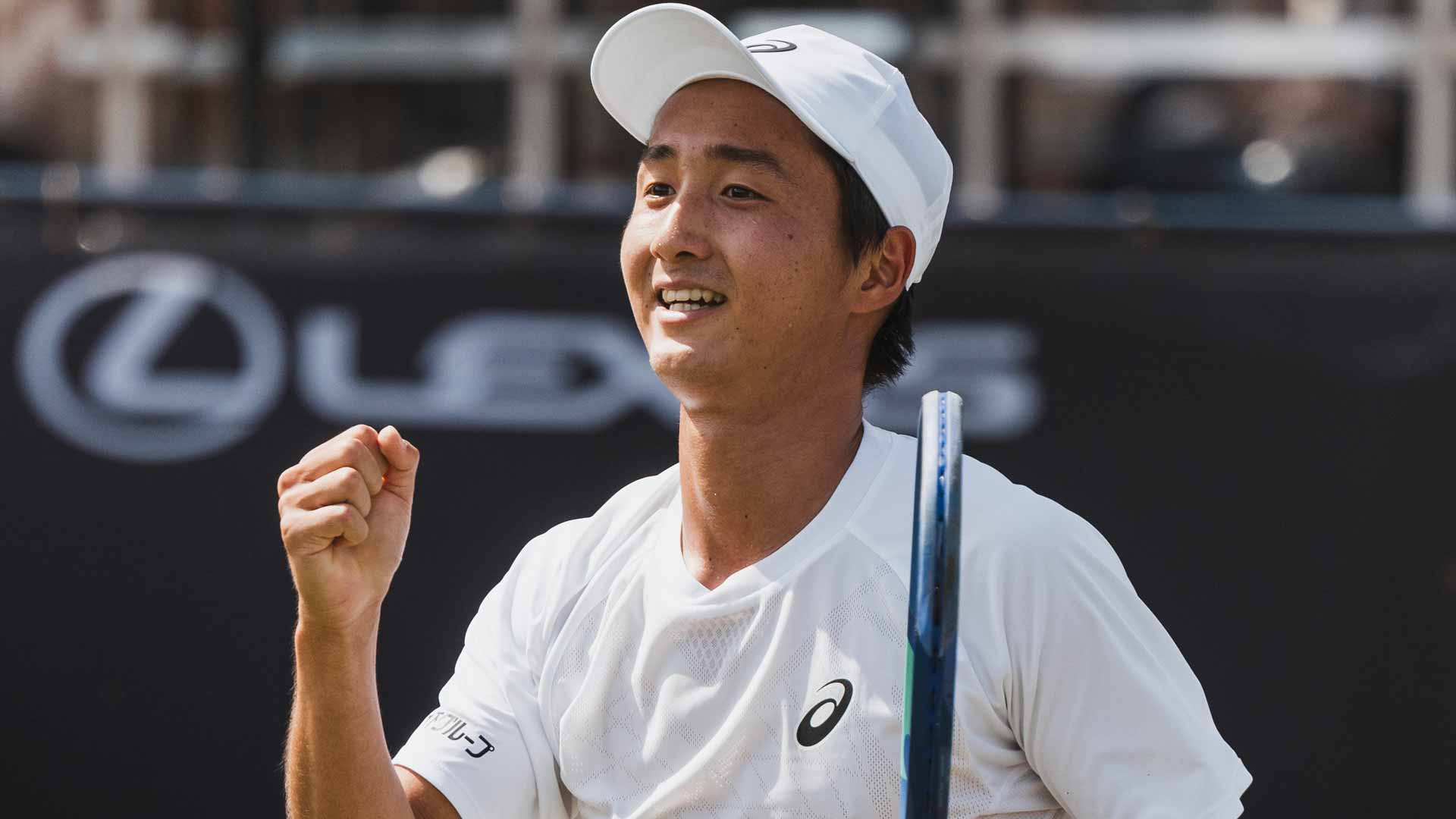
Shintaro Mochizuki has quietly become one of the most exciting young talents in international tennis. The Japanese star, who first captured global attention by winning the Wimbledon boys’ singles title in 2019, continues to build his reputation on the ATP Tour. His performances at Wimbledon have once again placed him in the spotlight as fans closely follow his progress, including his highly anticipated meeting with Rafael Jodar.
With names like Roman Safiullin and Jan-Lennard Struff also making headlines during the tournament, Mochizuki’s run has become part of one of the most intriguing storylines of the grass-court season. His combination of speed, shot-making ability, and fearless attitude has made him a player to watch for both tennis enthusiasts and analysts.
Shintaro Mochizuki’s Wimbledon Story
Wimbledon has always held special significance for Mochizuki. In 2019, he made history by becoming the first Japanese male player to win the Wimbledon boys’ singles title, an achievement that announced him as one of Japan’s brightest tennis prospects.
Since turning professional, he has steadily climbed the ATP rankings while gaining valuable experience against top-level competition. His game has evolved considerably, particularly on grass courts where his quick movement and aggressive baseline style are well suited.
At Wimbledon 2026, Mochizuki has once again demonstrated why many believe he has the potential to become a consistent presence in Grand Slam tournaments. His confident performances have earned him another opportunity to compete deep into one of tennis’ most prestigious events.
Rafael Jodar vs Shintaro Mochizuki
One of the tournament’s most talked-about third-round matches features Rafael Jodar against Shintaro Mochizuki.
Jodar has enjoyed a remarkable breakthrough at Wimbledon after defeating experienced opponents to reach the third round. The Spanish youngster has impressed with his composure despite making his Wimbledon debut.
Mochizuki enters the contest with more Grand Slam experience and a game perfectly suited for grass courts. His aggressive return game, willingness to approach the net, and ability to change pace make him a dangerous opponent for any young player.
Tennis experts have described the match as one of the most entertaining contests of the round because both players rely on athleticism, variety, and attacking tennis rather than pure power.
How Roman Safiullin Connects to Mochizuki’s Wimbledon Campaign
Roman Safiullin has also become one of the surprise stories at Wimbledon after producing one of the tournament’s biggest upsets by defeating highly regarded youngster Joao Fonseca in straight sets.
Although Safiullin and Mochizuki are competing in different sections of the draw, both players represent the depth of talent outside the tournament favorites. Their success highlights how unpredictable Grand Slam tennis can be, where qualifiers and lower-ranked players regularly challenge seeded opponents.
Safiullin’s strong serving and aggressive baseline game contrast with Mochizuki’s speed and court coverage, but both have demonstrated exceptional confidence throughout the event.
Tennis Development That Sets Mochizuki Apart
Mochizuki’s development has been impressive over the past several seasons.
He began training at IMG Academy in Florida during his teenage years, allowing him to compete regularly against elite international players. That experience accelerated both his technical development and mental toughness.
His strengths include:
- Outstanding footwork
- Excellent court coverage
- Quick backhand timing
- Strong return of serve
- Intelligent point construction
- Calm temperament under pressure
Unlike many young players who rely primarily on power, Mochizuki builds points patiently before attacking with precise winners.
Jan-Lennard Struff’s Wimbledon Headlines
Another player making news during Wimbledon is Jan-Lennard Struff.
The experienced German faced scheduling challenges after weather interruptions delayed play. Tournament organizers resumed several suspended matches, including Struff’s contest, creating a packed schedule for many competitors.
Although Struff’s campaign runs separately from Mochizuki’s, both players have featured prominently in Wimbledon coverage as fans follow the changing draw.
Struff remains known for his huge serve and attacking style, qualities that have made him one of the ATP Tour’s most dangerous grass-court competitors over the years.
Career Progress of Shintaro Mochizuki
Since winning the Wimbledon junior title, Mochizuki has continued making steady progress.
Some of his career highlights include:
- Wimbledon boys’ singles champion
- Multiple ATP Challenger titles
- Grand Slam main draw appearances
- ATP Top 100 breakthrough
- Victories over established ATP players
- Continued improvement on all surfaces
Rather than experiencing rapid overnight success, his career has been built through consistent development and strong performances at Challenger events before transitioning successfully to ATP-level tournaments.
Playing Style and Strengths
Modern tennis rewards versatility, and Mochizuki possesses many of the qualities required for long-term success.
His compact swings allow him to redirect pace effectively while maintaining excellent consistency from both wings.
Grass courts particularly suit his style because:
- His quick movement allows effective defense.
- His flat groundstrokes stay low.
- His return game creates pressure.
- He transitions smoothly to the net.
- He adapts well during long rallies.
These characteristics explain why Wimbledon remains one of his strongest tournaments.
Can Mochizuki Become Japan’s Next Tennis Star?
Japan has enjoyed tremendous success in tennis thanks to players such as Kei Nishikori and Naomi Osaka. Many observers believe Mochizuki could become the country’s next leading men’s player.
His junior accomplishments suggested enormous potential, and his professional development has steadily validated those expectations.
At only 23 years old, he still has significant room for growth in physical strength, serving consistency, and match experience against elite ATP opponents.
If his progression continues at its current pace, regular appearances in Grand Slam second weeks and ATP tournaments could soon become the norm rather than the exception.
Looking Ahead
Shintaro Mochizuki’s Wimbledon campaign represents another important milestone in a promising career. Whether facing Rafael Jodar or preparing for future ATP challenges, the Japanese star continues proving that he belongs among tennis’ rising generation.
Alongside standout performers like Roman Safiullin and experienced competitors such as Jan-Lennard Struff, Mochizuki has contributed to one of the tournament’s most compelling storylines. His fearless approach, technical skill, and relentless determination continue to win admirers around the world.
As the ATP Tour moves forward, Shintaro Mochizuki appears well positioned to establish himself as one of Japan’s leading tennis players for years to come. With continued improvement and valuable Grand Slam experience, his best performances may still be ahead.