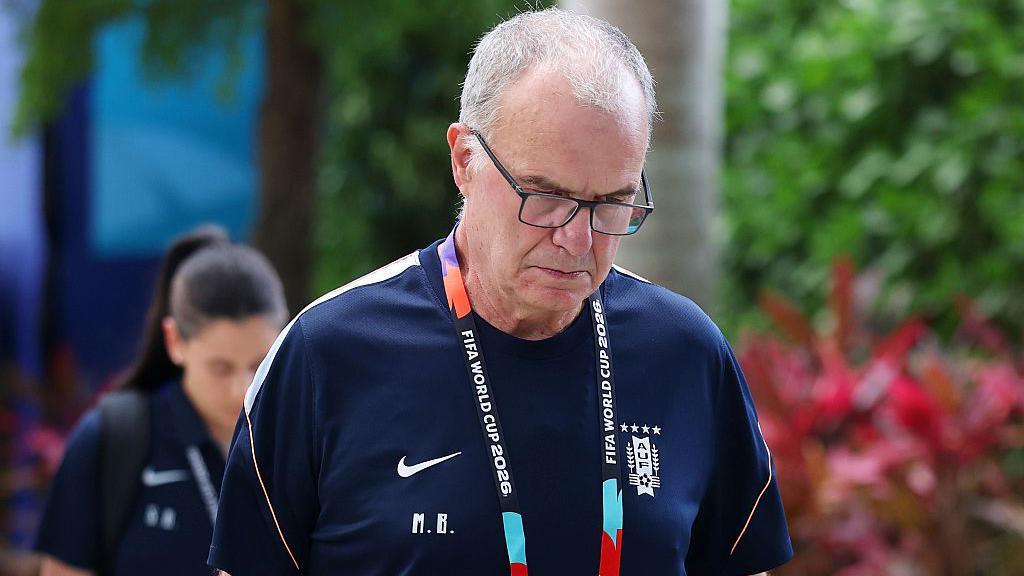
Marcelo Bielsa remains one of football’s most fascinating and influential figures. Known worldwide as “El Loco” (The Madman), the Argentine tactician has transformed teams through his innovative tactics, relentless work ethic, and uncompromising philosophy. From leading Argentina on the international stage to guiding Uruguay at the FIFA World Cup, Bielsa’s impact on modern football is undeniable.
In recent years, Bielsa has once again found himself in the spotlight as the head coach of Uruguay. His tenure has generated excitement, controversy, and intense debate among football fans and analysts alike. With Uruguay’s performances at the 2026 FIFA World Cup and challenging matches against teams such as Cape Verde, Bielsa’s future remains a major talking point.
Who Is Marcelo Bielsa?
Marcelo Bielsa is an Argentine football manager widely regarded as one of the greatest tactical minds in football history. Born on July 21, 1955, in Rosario, Argentina, Bielsa initially played as a defender before transitioning into coaching at an early age.
Bielsa’s coaching career spans several decades and includes successful spells with clubs and national teams across the globe. His teams are recognized for their aggressive pressing, attacking style, and exceptional physical intensity.
Despite not always winning major trophies, Bielsa’s influence extends far beyond silverware. Elite managers such as Pep Guardiola, Mauricio Pochettino, and numerous others have cited Bielsa as a major inspiration.
Marcelo Bielsa and Argentina
Bielsa first gained global prominence while managing the Argentina national football team between 1998 and 2004. During his tenure, Argentina became one of the strongest teams in world football.
Under Bielsa, Argentina won the gold medal at the 2004 Olympic Games and finished runners-up at the 2004 Copa América. However, his time with the national side was also marked by disappointment, particularly at the 2002 FIFA World Cup.
Argentina entered the tournament as one of the favorites but suffered an early group-stage exit. Despite the setback, Bielsa’s tactical innovations and commitment to attacking football earned him lasting respect within Argentine football.
His work with Argentina laid the foundation for future generations and influenced the country’s football identity for years to come.
Marcelo Bielsa Takes Charge of Uruguay
In 2023, Bielsa was appointed head coach of the Uruguay national football team. The appointment was seen as a bold move by the Uruguayan Football Association, hoping to rejuvenate an aging squad and prepare for future international tournaments.
Bielsa immediately introduced his trademark high-pressing style and placed greater emphasis on youth development. Uruguay enjoyed promising results during World Cup qualification, recording significant victories and showing signs of becoming one of South America’s most exciting teams.
Players such as Federico Valverde, Darwin Núñez, and Manuel Ugarte became central figures in Bielsa’s project.
However, as expectations increased, so did scrutiny.
Uruguay’s 2026 FIFA World Cup Campaign
Heading into the 2026 FIFA World Cup, Uruguay was considered a potential dark horse. Bielsa’s tactical approach and talented squad generated optimism among supporters.
Yet the tournament proved challenging.
Uruguay struggled throughout the group stage, failing to secure a single victory. Draws against Saudi Arabia and Cape Verde, followed by a defeat to Spain, resulted in an early elimination from the competition. The disappointing campaign made Uruguay the only South American team to fail to advance from the group stage.
Following the exit, Bielsa accepted responsibility for the poor performances, admitting that he had “left nothing” in terms of success during the tournament.
The early elimination sparked widespread discussion regarding Bielsa’s future as national team coach.
Uruguay vs Cape Verde: A Costly Result
One of the most surprising outcomes of Uruguay’s World Cup campaign was the draw against Cape Verde national football team.
The match ended 2-2, a result that ultimately played a significant role in Uruguay’s elimination. Cape Verde, competing in their first-ever World Cup, demonstrated remarkable organization and resilience against Bielsa’s side.
For Uruguay, the inability to secure victory exposed several weaknesses, including defensive instability and inefficiency in attack.
Meanwhile, Cape Verde made history by progressing to the knockout stage, becoming one of the tournament’s biggest success stories. Their disciplined performances highlighted the growing competitiveness of international football.
Bielsa’s Unique Coaching Philosophy
What truly separates Marcelo Bielsa from other managers is his football philosophy.
Bielsa is renowned for:
- High-intensity pressing.
- Constant attacking movement.
- Detailed tactical preparation.
- Extensive video analysis.
- Physical conditioning and demanding training sessions.
His teams typically seek to dominate possession while relentlessly pressing opponents across the pitch.
Bielsa’s methods are famously intense. Players often speak about exhaustive training sessions and meticulous tactical instructions. While many thrive under his system, others find the demands overwhelming.
This demanding nature has occasionally led to tensions within squads.
Controversies and Criticism
Despite widespread admiration, Bielsa has never been free from controversy.
Reports during the 2026 World Cup suggested internal tensions within the Uruguay squad, with senior players reportedly expressing concerns over training intensity and tactical decisions. Questions regarding player fatigue also emerged during the tournament.
Critics argue that Bielsa’s uncompromising style can become counterproductive during long tournaments, where squad management and flexibility are essential.
Supporters, however, believe his commitment to principles is precisely what makes him special.
Regardless of opinion, Bielsa remains one of football’s most authentic personalities.
What Next for Marcelo Bielsa?
Following Uruguay’s disappointing World Cup exit, speculation regarding Bielsa’s future continues. His contract situation and the national federation’s long-term plans remain uncertain.
Even if his tenure with Uruguay comes to an end, Bielsa’s legacy as one of football’s greatest thinkers is already secure.
From Argentina to Uruguay, from club football to the World Cup stage, Marcelo Bielsa has left an indelible mark on the sport. His ideas continue to shape generations of coaches and players worldwide.
Whether admired, criticized, or misunderstood, Marcelo Bielsa will always remain one of football’s most compelling figures.