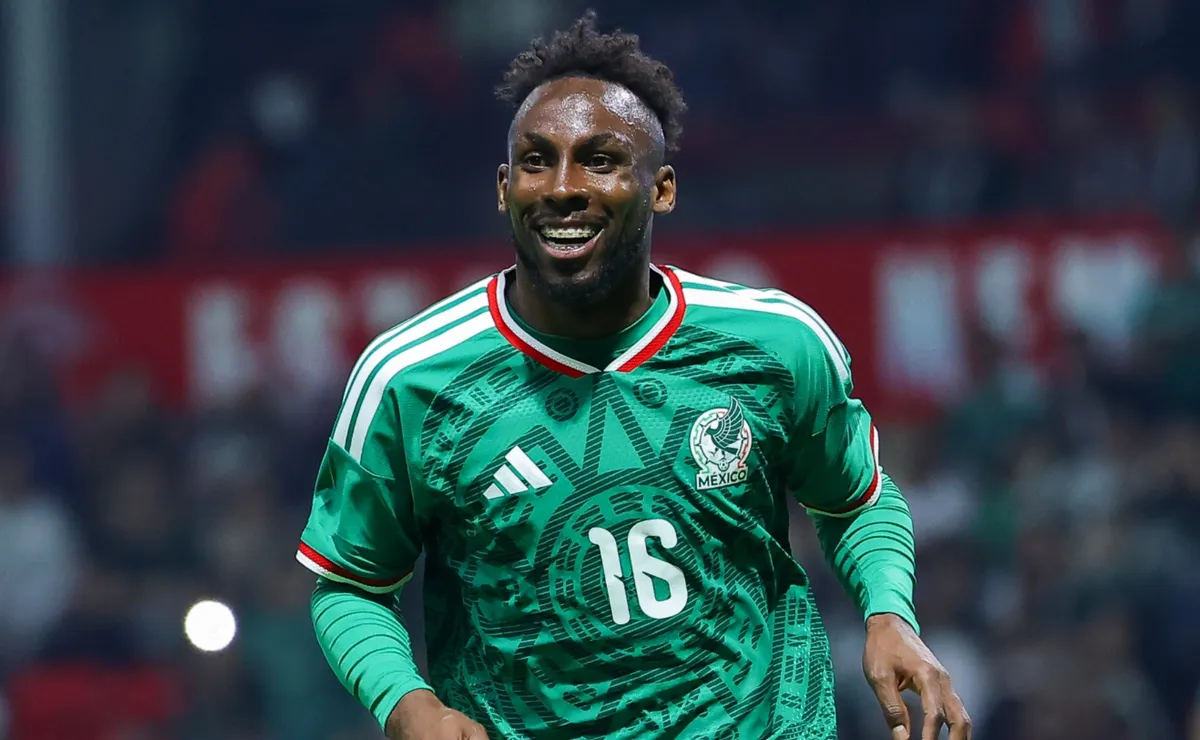
Julian Quiñones has become one of the biggest success stories in Mexican football. Born in Colombia but now proudly representing Mexico, the explosive forward has transformed into a key player for the Mexican national football team. His pace, strength, finishing ability, and versatility have made him one of the most dangerous attackers in North American football.
During the 2026 FIFA World Cup, Quiñones has emerged as one of Mexico’s standout performers. Alongside veteran striker Raúl Jiménez, he has helped lead El Tri through the tournament with confidence and attacking flair. His performances have not only impressed Mexican supporters but have also earned worldwide recognition. Most recently, Quiñones scored in Mexico’s impressive 2-0 victory over Ecuador, helping the hosts secure a place in the Round of 16.
Table of Contents
ToggleWho is Julian Quiñones?
Julián Quiñones was born on March 24, 1997, in Magüí Payán, Colombia. Although he represented Colombia at youth level, his football career blossomed after moving to Mexico as a teenager.
Playing in Liga MX allowed Quiñones to establish himself as one of the league’s best forwards. His impressive spells with Atlas and Club América eventually earned him Mexican citizenship, allowing him to represent the Mexico national football team.
Today, he plays professionally for Saudi Pro League side Al-Qadsiah while remaining an important figure for Mexico.
Julian Quiñones’ Ethnicity Explained
One of the most searched topics surrounding the striker is Julian Quiñones ethnicity.
Quiñones is ethnically Colombian. He was born and raised in Colombia before relocating to Mexico early in his professional career.
After spending several years living and playing in Mexico, he became a naturalized Mexican citizen in 2023. FIFA regulations permitted him to switch international allegiance because he had never represented Colombia at senior level.
His decision to play for Mexico was widely welcomed by fans, and Quiñones has repeatedly expressed his gratitude toward the country that helped shape his football career.
Julian Quiñones and Mexico’s World Cup Journey
The Mexico World Cup campaign has been one of excitement, especially with Quiñones leading the attack.
Mexico entered the tournament hoping to improve on previous World Cup disappointments. Under experienced leadership and with attacking stars like Quiñones and Raúl Jiménez, El Tri have looked dangerous throughout the competition.
Quiñones made history by scoring Mexico’s opening goal of the tournament and has continued his fine form in the knockout stages.
Against Ecuador, he opened the scoring before Jiménez added another goal to secure a memorable 2-0 victory. The win ended Mexico’s long wait for a knockout-stage victory at the World Cup and sent the passionate home supporters into celebration.
The Perfect Partnership with Raúl Jiménez
Few attacking partnerships have looked as balanced during the tournament as Julian Quiñones and Raúl Jiménez.
While Jiménez provides experience, intelligent movement, and aerial strength, Quiñones adds explosive pace and direct running.
The combination has allowed Mexico to attack in different ways:
-
Jiménez drops deep to create space.
-
Quiñones attacks behind defenders.
-
Both press aggressively without possession.
-
They interchange positions throughout matches.
Jiménez’s leadership has also helped Quiñones settle into the national team environment, creating one of Mexico’s strongest forward combinations in years.
Why Quiñones Fits Mexico So Well
Many supporters initially questioned whether a Colombian-born player could truly represent Mexico.
Those doubts have largely disappeared.
Quiñones has embraced Mexican culture and football since arriving as a teenager. His commitment on the field has earned respect from teammates and supporters alike.
His playing style perfectly suits Mexico’s modern approach:
-
Quick transitions
-
High pressing
-
Aggressive attacking football
-
Intelligent movement
Rather than simply being a goalscorer, Quiñones constantly creates chances for teammates through his pace and work rate.
Club Career Success
Before becoming a World Cup star, Quiñones enjoyed tremendous success in Liga MX.
His career highlights include:
-
Winning league titles with Atlas.
-
Helping Club América capture domestic championships.
-
Becoming one of Liga MX’s most feared forwards.
-
Moving to Al-Qadsiah in Saudi Arabia.
Throughout his club career, he has consistently produced goals and assists while playing both as a winger and central striker.
Playing Style
Julian Quiñones combines athleticism with technical ability.
His biggest strengths include:
-
Exceptional acceleration
-
Powerful dribbling
-
Clinical finishing
-
High work rate
-
Versatility across the front line
-
Strong pressing ability
Unlike traditional strikers who remain inside the penalty area, Quiñones constantly drifts wide to stretch opposing defenses.
His movement creates opportunities not only for himself but also for teammates like Raúl Jiménez.
Impact on the Mexican National Team
Mexico has produced legendary forwards throughout its football history.
Quiñones is now building his own legacy.
Since making his international debut, he has quickly become one of the first names on the team sheet. His energy, confidence, and ability to perform in big matches have transformed Mexico’s attack.
For younger supporters, Quiñones represents the new generation capable of competing with football’s biggest nations.
Latest News
Julian Quiñones continues to dominate headlines following Mexico’s Round of 32 victory over Ecuador.
His opening goal set Mexico on course for a comfortable 2-0 win before Raúl Jiménez doubled the advantage. The result secured Mexico’s place in the Round of 16 and ended a decades-long wait for a World Cup knockout victory. Mexico is now preparing for a high-profile clash against the winner of England vs. DR Congo.
His outstanding performances have strengthened his reputation as one of CONCACAF’s most dangerous forwards and one of the breakout stars of the 2026 FIFA World Cup.
Final Thoughts
Julian Quiñones’ story is one of determination, adaptation, and success. Born in Colombia but embraced by Mexico, he has become a symbol of modern Mexican football.
His partnership with Raúl Jiménez has revitalized the Mexican attack, while his pace, finishing, and relentless work ethic have made him indispensable for El Tri.
As Mexico continues its World Cup journey, Quiñones looks ready to play an even bigger role. If he maintains his current form, the talented forward could help lead Mexico toward one of the country’s greatest World Cup achievements in modern history.